











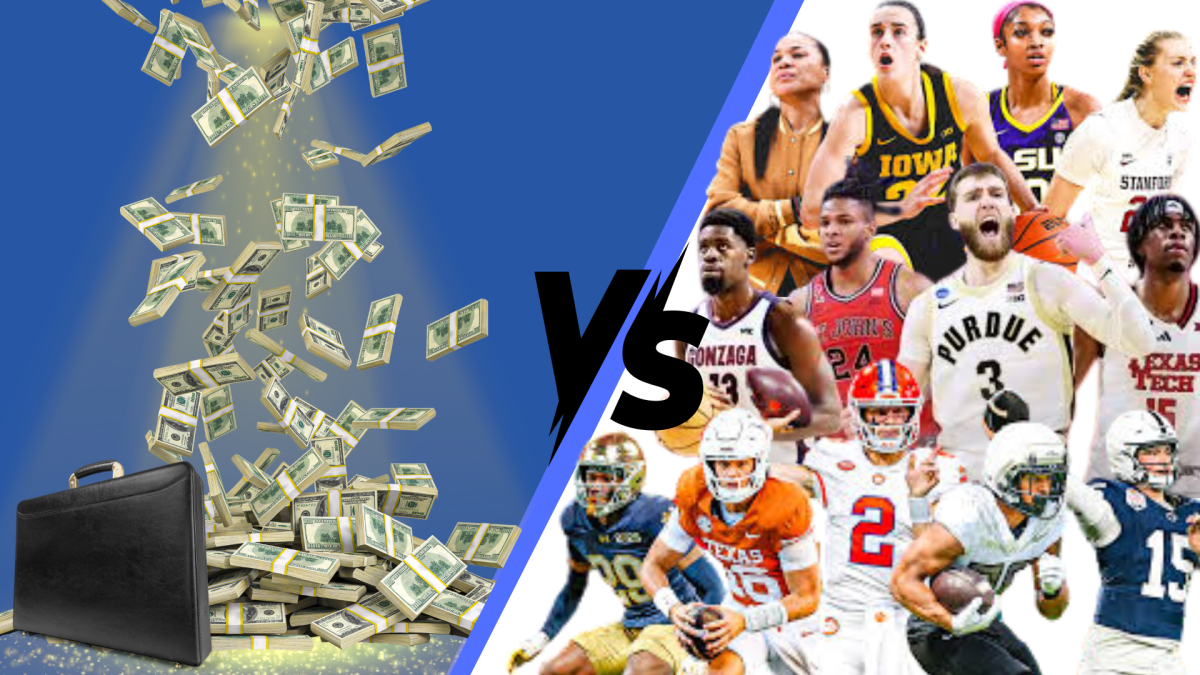
















Name, Image, and Likeness (NIL) opportunities were created to give college athletes more control over their own earnings, but many critics argue the system has led to unintended consequences that are changing the culture of college sports. As NIL continues to grow, concerns have emerged about fairness, loyalty, and whether college athletics are becoming more about money than commitment to a school.
In the past, many college athletes chose schools based on academics, coaching staff, teammates, and school pride. Some coaches believe players often stayed at one university throughout their careers, forming strong bonds with fans and teammates. However, critics argue NIL has turned college athletics into a business environment, encouraging athletes to transfer in search of higher-paying opportunities. This shift has weakened team chemistry and made it harder for programs to build long-term identities.
Mr. Weber, who has coached football for several years and has witnessed changes in recruiting and player commitment, believes financial power now plays too large a role in college athletics. “Can someone run a monopoly because they have the most money? No,” Weber said. He explained that without safeguards, wealthier programs could gain unfair advantages, allowing them to “buy championships.” His concerns highlight how NIL threatens competitive balance and loyalty across college sports.
As loyalty declines, many believe team culture and trust are also being damaged. Mr. Hunt, the Mount Vernon High School baseball coach, echoed these concerns based on his experience working with student-athletes. “NIL has weakened loyalty to college programs by encouraging athletes to chase the highest offer rather than commit to long-term team goals and school pride,” Hunt said. His statement supports the argument that NIL has shifted priorities away from development and relationships and toward financial gain.
Ultimately, critics argue NIL has changed the focus of college athletics. Weber emphasized that athletes are essential to sports, but regulation is necessary to protect fairness. “Without athletes, games and teams do not exist, but there have to be rules and safeguards in place,” he said. This reinforces the idea that while athletes deserve compensation, limits are needed to preserve balance and tradition.
However, supporters of NIL argue that athletes have short careers and deserve the opportunity to earn money while they can. Others point out that loyalty in college sports was already changing before NIL due to increased transfers and coaching changes. While these arguments raise valid points, many critics still believe the current NIL system needs stricter rules to prevent money from overpowering commitment and school pride